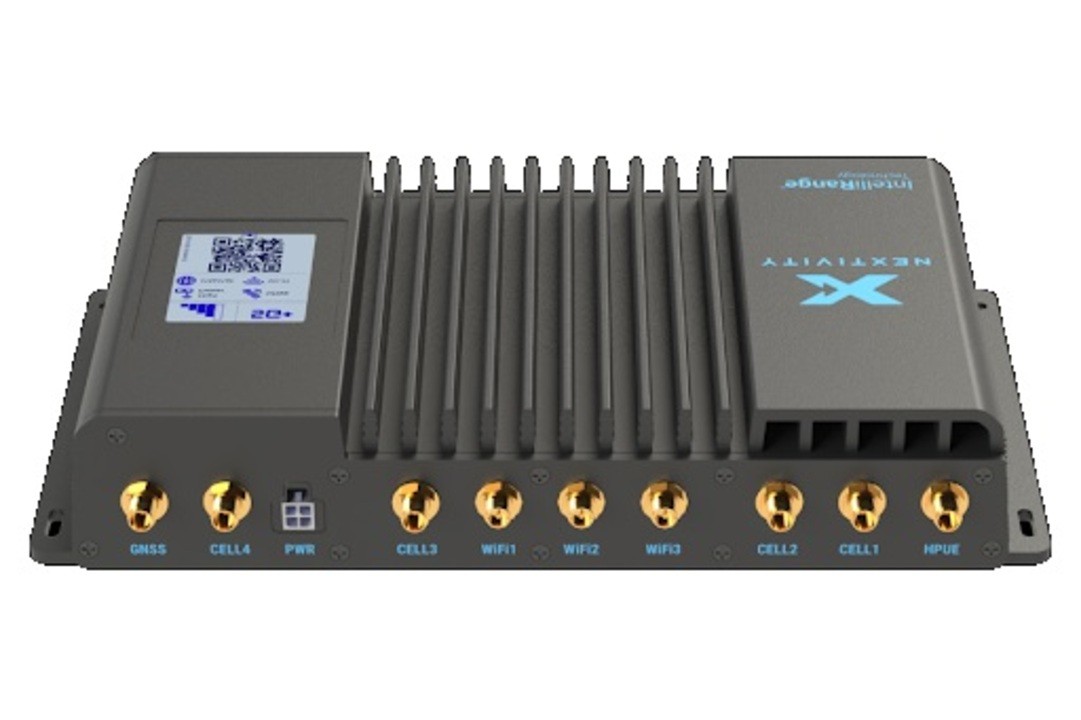
Modernizing an OpenWrt-based IoT platform for secure enterprise connectivity
INTRODUCTION
The Enterprise IoT Connectivity Platform project is a large-scale embedded software initiative focused on modernizing a mission-critical telecommunications platform. Built on OpenWrt, the solution combines industrial-grade hardware with advanced networking, cellular connectivity, enterprise security, and remote device management to deliver reliable connectivity for industrial, enterprise, and infrastructure deployments.
Beyond implementing new functionality, the project focused on creating a scalable, secure, and maintainable firmware architecture capable of supporting future product generations.
BACKGROUND
Our partner develops connectivity solutions for enterprise, industrial, and telecommunications markets where continuous communication, security, and reliability are essential.
The existing firmware ecosystem had evolved around a heavily customized OpenWrt fork. While feature-rich, the platform had accumulated considerable technical debt, making upgrades increasingly complex and introducing security and maintenance challenges.
The modernization initiative aimed to transform the legacy firmware into a modular platform that would simplify future development while preserving product stability.
BUSINESS OBJECTIVES
iomico was responsible for achieving the following objectives:
Modernize the firmware platform by migrating to the official OpenWrt release.
Strengthen platform security through Secure Boot, image signing, and system hardening.
Improve platform maintainability using a modular software architecture.
Increase network reliability with advanced WAN/WWAN failover mechanisms.
Enable enterprise-grade remote monitoring and device management.
Create a reusable firmware platform for future hardware generations.
BUSINESS PROBLEM / OPPORTUNITY
The project addressed several strategic challenges:
Reducing technical debt accumulated over years of firmware customization.
Simplifying future OpenWrt upgrades.
Improving cybersecurity for connected devices.
Increasing platform scalability across multiple hardware platforms.
Delivering enterprise-grade networking and remote management capabilities.
DEVELOPMENT APPROACH
To ensure predictable delivery and continuous collaboration, the project followed the Scrum methodology.
Tools & Processes
JIRA for sprint planning, backlog management, and progress tracking.
Slack and Microsoft Teams for day-to-day communication.
Google Meet for technical workshops, sprint reviews, and planning sessions.
Delivery Strategy
The engagement began with a comprehensive audit of the firmware architecture, build system, security model, and software dependencies. Based on the findings, iomico developed a platform modernization strategy centered on modularization, standardization, and long-term maintainability.
Rather than introducing isolated improvements, the engineering team restructured the firmware architecture by separating custom functionality from the core OpenWrt platform. This significantly reduced technical debt while making future upgrades faster, safer, and more predictable.
TECHNICAL DETAILS
Platform
OpenWrt 23.05.5
Embedded Linux
Networking
LTE / 5G
Wi-Fi
WAN / WWAN Failover
StrongSwan VPN
SNMP
nftables
Security
Secure Boot
Image Signing
WPA2-Enterprise
WPA3-Enterprise
FreeRADIUS
Device Management
eSIM Lifecycle Management
Remote Firmware Updates
LuCI Web Interface
KEY RESULTS & ACHIEVEMENTS
Successfully migrated from a legacy OpenWrt fork to the official OpenWrt release.
Improved firmware security through Secure Boot, image signing, and system hardening.
Implemented advanced WAN/WWAN failover and enterprise VPN functionality.
Introduced enterprise Wi-Fi security with WPA2/WPA3 Enterprise authentication.
Enabled automated modem firmware updates and SNMP-based remote monitoring.
Implemented complete eSIM lifecycle management.
Reduced technical debt through a modular firmware architecture.
Created a scalable platform supporting future hardware generations.
LESSONS LEARNED
Platform modernization delivers greater long-term value than incremental feature development.
Modular firmware architecture significantly improves maintainability.
Early investment in cybersecurity simplifies future platform evolution.
Standardization enables faster product development and easier support across multiple hardware generations.
CONCLUSION
The project transformed a legacy firmware platform into a modern, secure, and scalable connectivity solution. By combining OpenWrt expertise with embedded Linux development and advanced networking technologies, iomico delivered a future-ready platform that reduces maintenance costs, strengthens cybersecurity, and provides a solid foundation for long-term product evolution.
Our services
Embedded Software Development Firmware Development IoT Development, Embedded Linux Development, Connectivity Solutions, Network Security
Industry
Telecommunications, Internet of Things (IoT)
Technology
OpenWrt 23.05.5, Embedded Linux, C, Bash, LTE, 5G, Wi-Fi, StrongSwan VPN, SNMP, nftables, Secure Boot, Image Signing, FreeRADIUS, WPA2-Enterprise, WPA3-Enterprise, eSIM, LuCI, QMI, QMAP, MediaTek MT7981, Telit FN990, STM MCU
Team
Project Manager
3 Firmware Developers


