iomico is a firmware development company for connected devices. We design new firmware and take over existing code — from bare-metal and Zephyr to embedded Linux and Android.
At a glance
Embedded team of more than 20 engineers
Nordic Semiconductor Design Partner
Zephyr since 2020; our Academy has trained 1,000+ embedded engineers
Products we built scaled to 1.5M+ devices deployed globally
Architecture and platforms
Firmware architecture
We design the architecture before writing code, so the firmware stays maintainable as the product grows.
C4 model in IcePanel: we model and document the system at all four levels — context, containers, components and code — as living diagrams the whole team can explore
Layered code: driver, service and application layers, so the firmware is easier to extend and to move to new hardware
Security by design: threat modeling and secure-by-default configuration from the start
Bare-metal and RTOS
Zephyr, FreeRTOS, ChibiOS, QNX and Eclipse ThreadX (formerly Azure RTOS)
nRF Connect SDK on Nordic chips
Embedded Linux
Yocto, Buildroot, OpenWrt (including OpenWISP and OpenWiFi), uClinux
Debian, Red Hat-based distributions and Raspberry Pi OS
Custom embedded Linux distributions, kernel and driver work, boot-time optimization, long-term maintenance
Embedded Android
AOSP ports to new hardware
System services and device-level Android apps
Low-level software and security
BSPs, drivers and bootloaders
Board support packages and device drivers for new boards and new silicon
Bootloaders: U-Boot, MCUboot or custom
Device security
Secure boot chains with TF-A, OP-TEE and TrustZone
Signed firmware images and secure-by-default configuration
EU Cyber Resilience Act readiness: SBOMs, dependency scanning, secure updates, pre-launch vulnerability testing
Firmware in the field
OTA updates and device management
Over-the-air updates with rollback
Mender, RAUC and Memfault
Observability
We make devices tell you what happens in the field, so problems are found from data, not guessed.
Crash and error reports from devices and apps (Memfault, Sentry, Firebase Crashlytics)
Device and fleet metrics, OTA statistics and operational alerts in one place
Diagnose first, then fix: we instrument the device, app and backend to see where and why failures happen, then set priorities for the fix
Battery life and power optimization
Battery life is often the first thing users notice. We design firmware so the device spends as little energy as possible, and we measure it instead of guessing.
Power budget first: we measure current draw in every device state (sleep, sensing, radio, GNSS) and set a battery-life target before we optimize
Sleep and wake-up design: deep-sleep modes, interrupt-driven wake-ups, and peripherals powered only when they're needed
Radio and GNSS duty cycling: cellular power-saving modes (PSM, eDRX), Bluetooth LE connection tuning, and A-GPS for faster GNSS fixes, so radios are on only as long as necessary
Context-aware power management: the device adapts how often it tracks and reports based on motion, location or user settings
Battery monitoring: fuel gauging and battery-health reporting, including long-life lithium primary cells (LiSOCl2)
Low-power platforms: Nordic nRF52, nRF53 and nRF91, STM32L and TI MSP430
Performance and size optimization
Flash and memory size: we shrink binaries and RAM use to fit constrained MCUs, so you can stay on cheaper parts
Boot time and connection reliability
Also
FPGA logic: VHDL/Verilog and HLS on AMD (Xilinx), Altera (formerly Intel), Lattice and Microchip FPGAs
On-device UI: Qt on embedded Linux, native Android on AOSP, LVGL on microcontrollers
Edge AI on MCUs: TinyML with Edge Impulse, TensorFlow Lite and Neuton.ai
New firmware or existing firmware
New product. We write firmware from scratch, usually together with the hardware design.
Rescue and takeover. Unstable firmware, a team that left, or a launch that's close — we take over the code base and stabilize it without breaking what works.
Platform migration. A chip reaches end of life, or you move to Zephyr or a newer Linux — we port the firmware and keep it maintainable.
How we work
Architecture first — C4 model and layered design
Tested continuously — embedded CI, host unit tests (Ztest, Twister), embedded QA
Ready for production — manufacturing test, flashing and provisioning tools
Supported in the field — OTA, observability and long-term maintenance
Chips, connectivity and languages
Microcontrollers: Nordic (nRF52, nRF53, nRF70, nRF91), ST (STM32), Espressif (ESP32, ESP8266), NXP, TI, Silicon Labs, Microchip (including Atmel), Renesas, Infineon (including Cypress)
Application processors: NXP (i.MX 6, i.MX 8, Layerscape), MediaTek, Allwinner (A64, H3, H6), Rockchip (RK3399, RK3328), Broadcom (BCM2837, BCM2711), Amlogic (A311D)
Wireless: Bluetooth LE, Mesh and LE Audio (including Auracast), Wi-Fi, cellular (LTE, LTE-M, NB-IoT, 5G), GNSS, satellite (Iridium), DECT NR+, Thread, Matter, Zigbee, LoRa/LoRaWAN, UWB, NFC/RFID, sub-GHz
Wired and fieldbus: Ethernet, USB, CAN, LIN, Modbus RTU/TCP, RS-232/RS-485, OBD-II, OSDP/Wiegand
Device management: LwM2M, MQTT
Languages: C, C++, Rust, Python
Firmware projects we've delivered
A few of our firmware case studies:
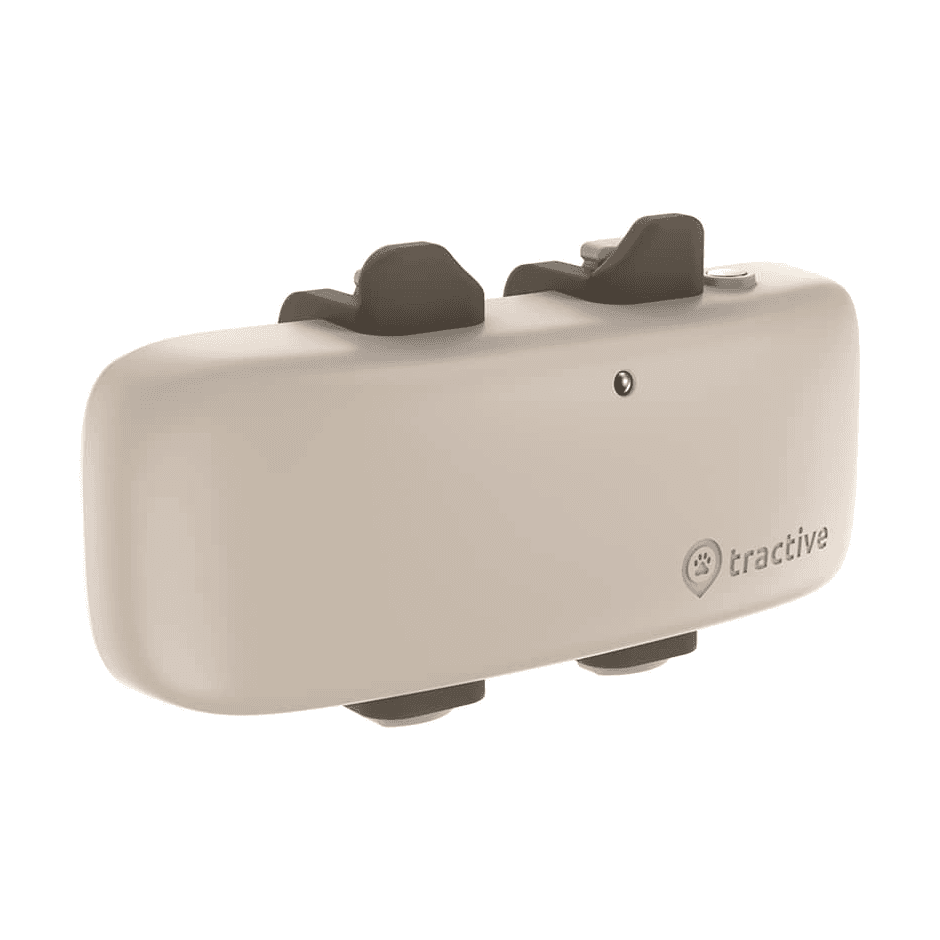
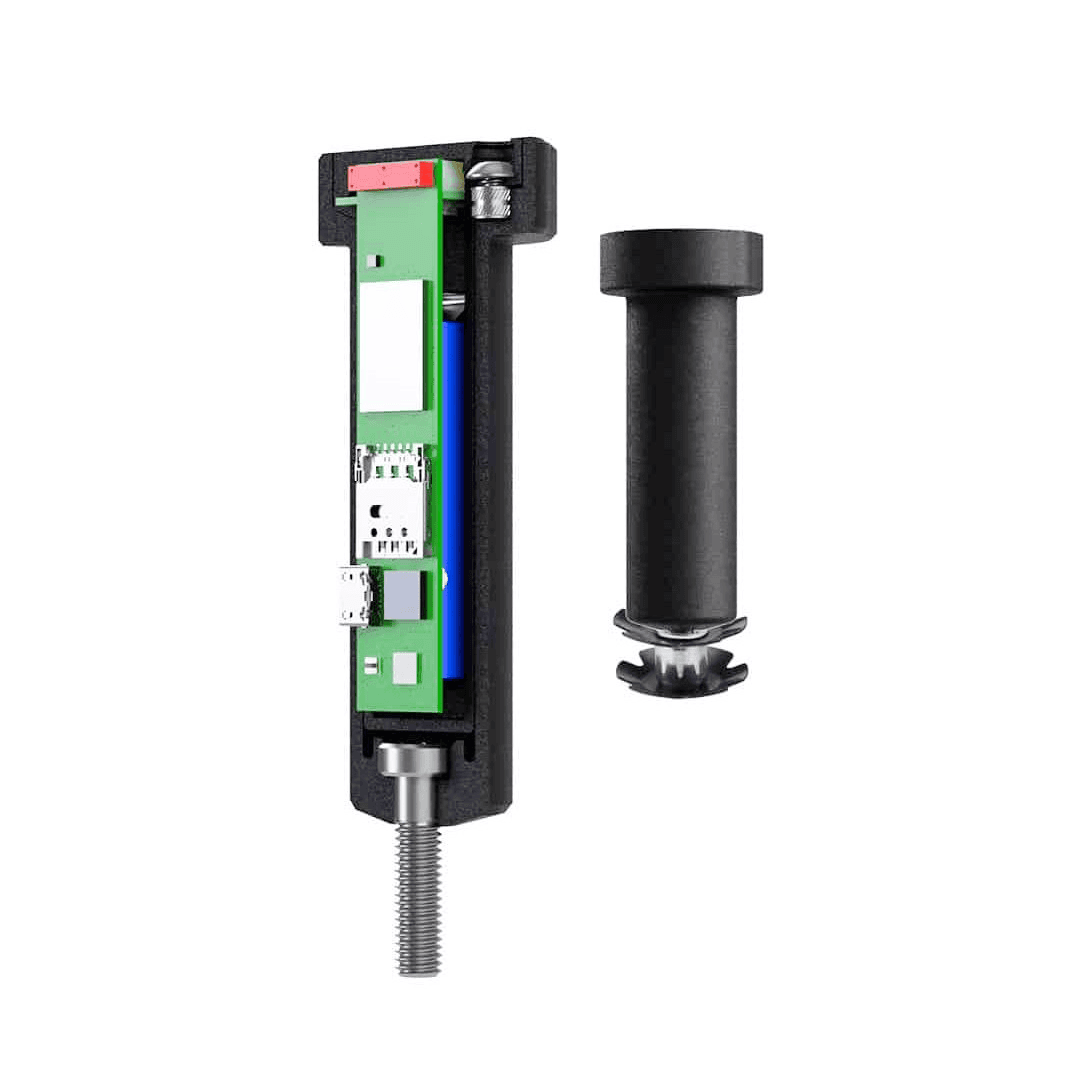
Tractive — GPS pet trackers
6+ years as firmware partner. One code base across tracker models (nRF52, LTE-M, GNSS), plus manufacturing tooling.
Snik — anti-theft bike GPS tracker
Zephyr on nRF9160. GPS cold start cut from ~157 s to 26–39 s; three-tier OTA with rollback.
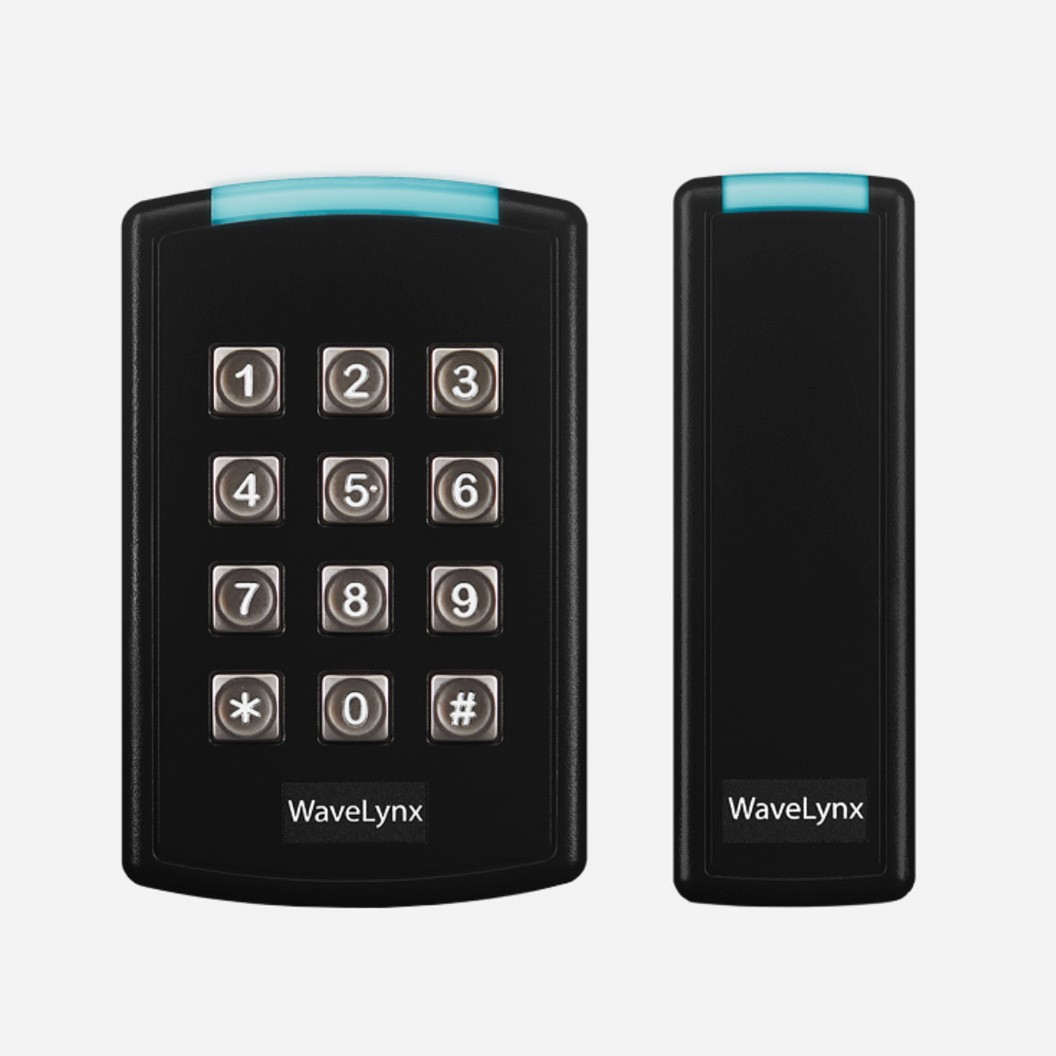
Kastle Systems — secure access-control reader
Secure BLE and OSDP reader firmware on nRF5340 with Zephyr and ECDSA.
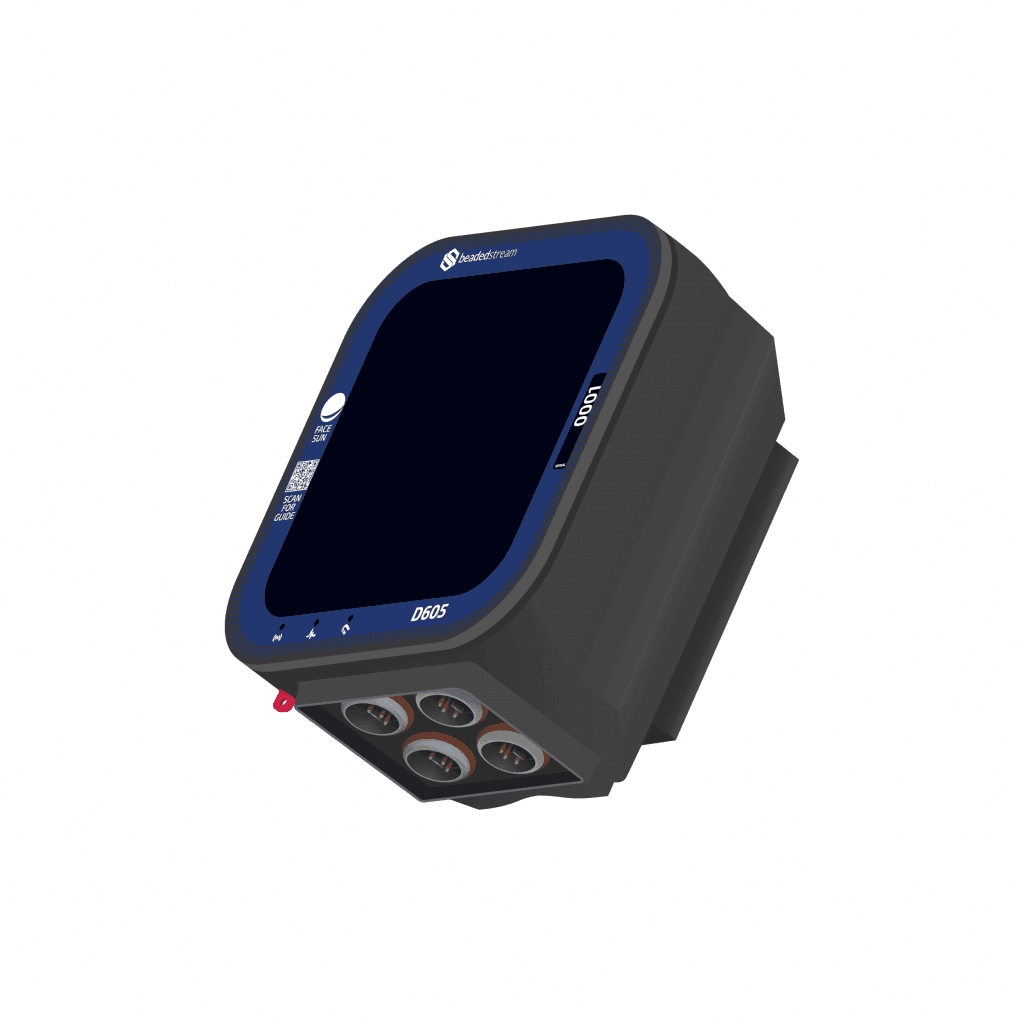
Beadedstream — extreme-climate data loggers
Long-term Zephyr partnership: data loggers with satellite links, including a new logger built from scratch.
FAQ
Can you take over firmware another team wrote?
Yes. We stabilize products already in the field, fix crashes and connectivity issues, and add features when the original team is gone.
Which RTOS and operating systems do you use?
Zephyr, FreeRTOS, ChibiOS, QNX, Eclipse ThreadX, bare-metal, embedded Linux (Yocto, Buildroot, OpenWrt) and embedded Android.
Which chips do you support?
Microcontrollers from Nordic, ST, Espressif, NXP, TI, Silicon Labs, Microchip, Renesas and Infineon, and application processors from NXP, MediaTek, Allwinner, Rockchip, Broadcom and Amlogic.
Can you extend the battery life of an existing device?
Often, yes. We look at how the firmware uses radios, GNSS and sensors and add power management around real usage. We don't promise a fixed multiplier before measuring.
Do you also design the hardware?
Yes — firmware alone, or together with electronics, PCB, enclosure, mobile, web and cloud.
Can you help with the EU Cyber Resilience Act?
Yes, we help you prepare: threat modeling, SBOMs, secure updates and vulnerability testing. We don't issue certificates.
How does a project start?
New products usually start with a short discovery phase (architecture, scope, cost, timeline). For existing firmware we start from the code base and the issues you see in the field.
Ready to talk about your firmware?
Tell us what you're building or what's failing in the field using the form below, and an embedded engineer will get back to you.